
Rethinking mealtimes to support positive early relationships with food
BHN's Mealtime Expectations project is transforming how early childhood education and care (ECEC) services approach food, nutrition and mealtimes. Working alongside educators and families across nine ECEC services, the project explored the beliefs, expectations and routines that shape children's experiences of eating.
Rather than focusing solely on nutrition education, the project examined how mealtime practices were interpreted and implemented in everyday settings. Through reflective practice and co-design, educators and families developed shared Mealtime Value Statements that promote child autonomy, family trust and positive food experiences.
The work responds to growing evidence that early childhood is a critical window for developing lifelong relationships with food. With most Australian children attending ECEC services and consuming around half of their daily meals in these settings, mealtime environments can have a significant influence on wellbeing, food acceptance and children's ability to trust their own hunger and fullness cues.
These shifts are particularly important in early learning environments, for children who are actively soaking up messages about bodies, food, and movement from the world around them.
Organisations across are Australia are leading the way in creating this shift towards implementation of food neutral, body inclusive environments that help children develop a positive relationship with food.
– Amie Bast, BHN Senior Health Promotion Officer.

Mealtime Expectations created opportunities for ECEC services and families to better understand the nature of the challenges they were experiencing and what was driving them. Conversations shifted away from changing children's behaviour, towards examining the expectations, assumptions and adult responses shaping children's experiences of food and eating. As a result, participating services reported calmer mealtimes, reduced pressure on children to eat, greater confidence among educators and stronger collaboration with families.
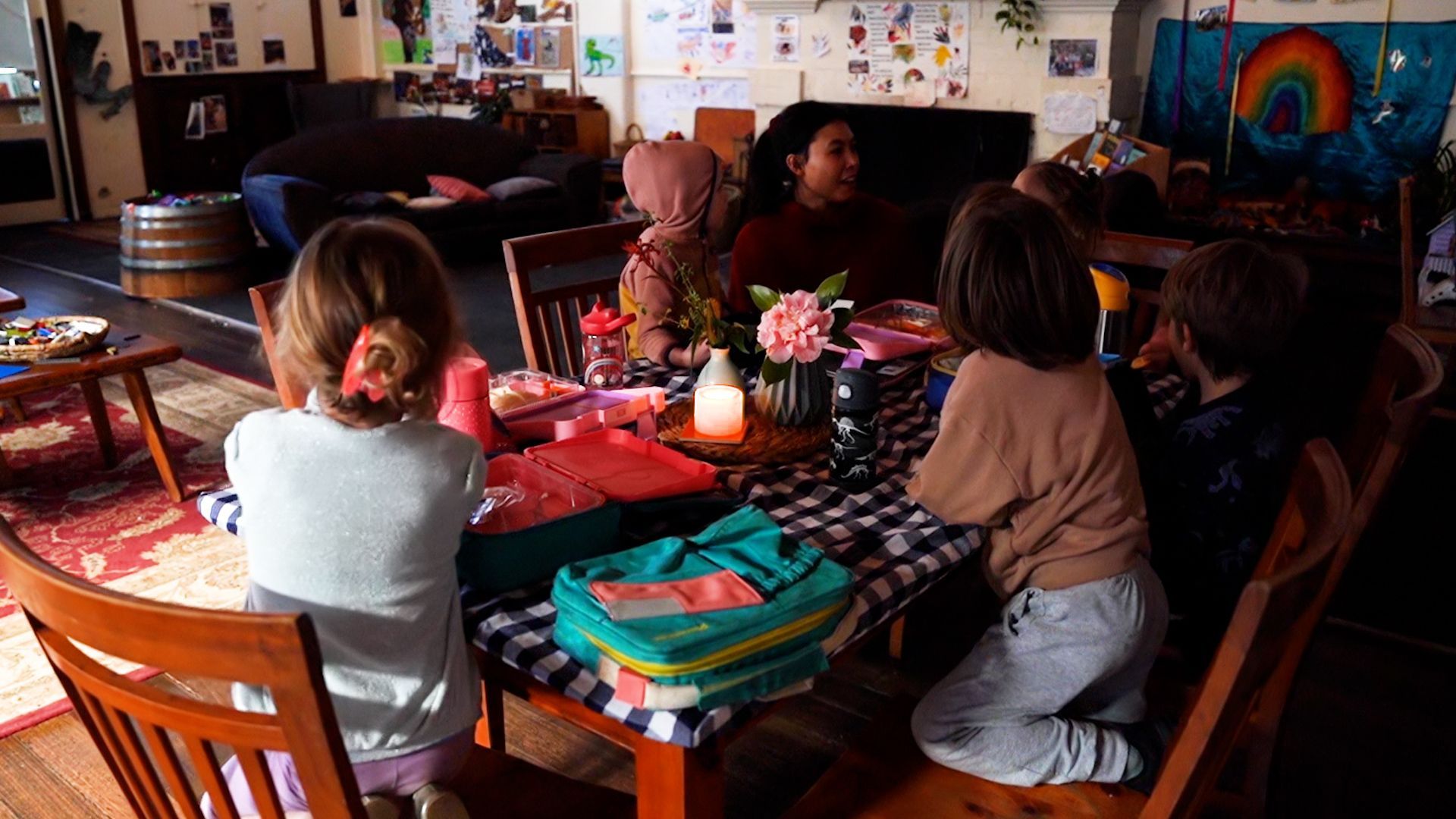
The project also encouraged educators to reflect on long-held assumptions about food, helping shift practices away from restrictive approaches towards responsive practices that support children's agency and development.
Using the learnings acquired from Mealtime Expectations implementation, Amie Bast and Kayla Di Maio from our Health Promotion team led a comprehensive review of Early Learning Association Australia’s (ELAA) Nutrition, Oral Health and Active Play Policy. Through extensive consultation with Paediatric Dietitian Dr Kyla Smith, The Embrace Collective’s Dr Zali Yager, leading state health promotion programs and several key experts, the policy was strengthened to align with best-practice evidence in responsive feeding, developmentally appropriate mealtimes, size-inclusive approaches, neuro-affirming practices and inclusive language.
Through ELAA’s membership of more than 1,300 services, the policy reform has the potential to reach far beyond the participating services and create meaningful impact.
“The update to the ELAA Nutrition, Oral Health and Active Play Policy is well-timed and supports Early Childhood Education and Care Educators to deliver consistent messaging across nutrition and food related activities from a positive lens while fostering inclusive environments around eating,” says paediatric dietitian Dr Kyla Smith PhD, APD, AN.
This policy reform demonstrates the power of evidence-informed advocacy to create meaningful, system-level change in ECEC. By partnering across the sector and centering children’s wellbeing, we have helped shift nutrition policy toward genuinely supportive food environments for children. Advocacy in this space matters, because the language embedded in policy shapes everyday practice, and everyday practice shapes children’s lifelong relationships with food.